
Trump Declares Iran War 'Effectively Over' After Qatar Talks as Tehran Dismisses Claims
Washington signals a possible shift towards diplomacy after discussions with Qatar, but Iran rejects US statements about negotiations as military pressure and regional uncertainty continue.
By HarisTimes
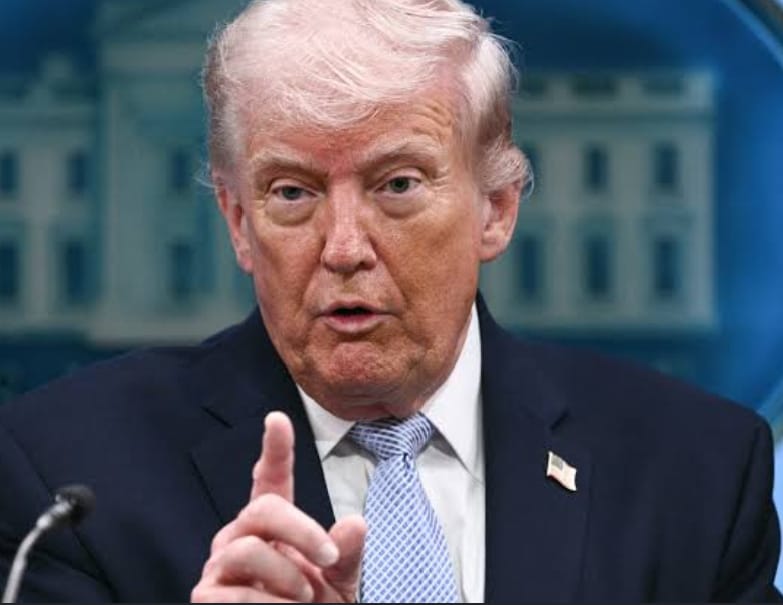
Trump Says Iran War Is 'Effectively Over' as Tehran Rejects US Claims of Progress
Trump Signals Possible End to Major Military Operations
US President Donald Trump has described the war with Iran as militarily "effectively over," raising expectations of a possible reduction in hostilities. His comments followed a White House meeting with Qatar's Prime Minister Sheikh Mohammed bin Abdulrahman Al Thani on November 9, 2026.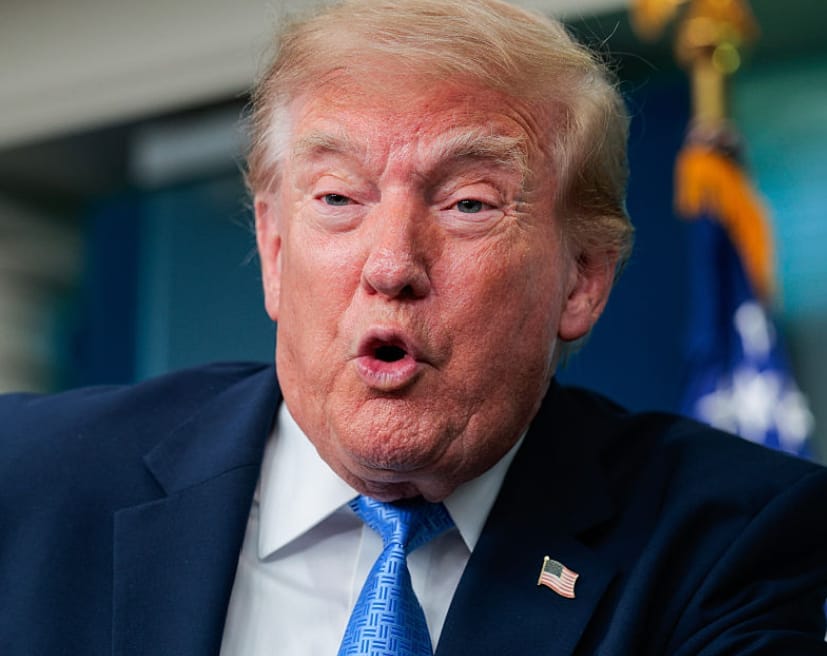
Speaking to reporters, Trump said Iran's military capabilities had been severely weakened and that Washington was maintaining the current situation rather than preparing another major bombing campaign.
He also indicated that further military strikes were unlikely if diplomatic negotiations continued to make progress. However, Trump stressed that American forces remained prepared to respond if circumstances changed.
His statement did not amount to a formal ceasefire or peace agreement. The United States continues to maintain military pressure on Iran, including restrictions on Iranian maritime trade.
Qatar Supports Diplomatic Efforts
Qatar has emerged as an important intermediary in efforts to reduce tensions between Washington and Tehran. The meeting between Trump and Prime Minister Al Thani focused on regional security and opportunities to advance negotiations.
Qatar maintains diplomatic relations with both countries and has previously supported mediation efforts involving regional conflicts and international security issues.
Following the meeting, the Qatari prime minister described discussions with Trump and Vice President JD Vance as positive, highlighting efforts to advance negotiations and establish peace in the region.
Trump also suggested that neighbouring Gulf countries preferred maintaining the current arrangement rather than witnessing another major military escalation.
Nevertheless, no comprehensive agreement between Washington and Tehran has been publicly announced.
Iran Rejects American Claims
Iranian officials responded critically to Trump's remarks, particularly his suggestions that diplomatic progress could bring the conflict towards an end.
Iranian security official Mohsen Rezaei dismissed reports about negotiations with Washington, accusing American officials of spreading misinformation about what he described as imaginary talks.
Iranian representatives have also rejected suggestions that Tehran is prepared to accept American conditions without addressing its own demands.
Iran has called for an end to the US naval blockade, sanctions relief, access to frozen financial assets and compensation for damage caused by military operations.
Tehran has further insisted that regional hostilities must be addressed as part of any comprehensive settlement.
These statements indicate that significant disagreements remain despite Washington's positive assessment of the diplomatic situation.
Military Pressure Remains in Place
Despite Trump's declaration, military activity has not completely stopped.
The United States continues to maintain its naval blockade against Iranian ports. American forces have also carried out limited strikes against Iranian military installations, including air defence positions.
According to the Associated Press, US forces recently fired on and disabled a commercial vessel suspected of attempting to breach the blockade.
Thousands of American troops also remain deployed in the surrounding region.
Trump has said that Washington does not currently consider another major military operation necessary. However, he has repeatedly warned that American forces remain prepared to resume operations if Iran takes actions that threaten US interests.
The continuing restrictions and military deployments demonstrate that the confrontation remains unresolved.
Nuclear Programme Remains a Major Obstacle
Iran's nuclear programme is one of the central issues preventing a broader agreement.
Washington wants guarantees that Tehran will not develop nuclear weapons. Trump has repeatedly described preventing Iran from acquiring a nuclear weapon as a fundamental American objective.
Iran maintains that its nuclear activities are intended for peaceful purposes and rejects demands that it considers unacceptable restrictions on its national interests.
Any future agreement will likely require discussions about nuclear monitoring, sanctions, economic restrictions and regional security.
Qatar has reportedly presented proposals concerning Iran's nuclear programme, but the details and level of acceptance by both governments remain unclear.
Impact on the Strait of Hormuz and Oil Markets
The Strait of Hormuz remains another major concern. This strategically important maritime passage connects the Persian Gulf with international shipping routes and carries a significant share of global oil shipments.
Military tensions and restrictions on maritime trade have increased uncertainty for shipping companies, energy producers and oil-importing countries.
Oil prices have reacted to changing expectations about the possibility of a diplomatic settlement. According to Euronews, Brent crude prices declined as investors assessed the potential reduction in military tensions.
However, lasting stability in energy markets will depend on whether shipping restrictions are removed and regional security improves.
What Happens Next?
The coming days will be important in determining whether diplomatic contacts produce meaningful progress.
Trump's comments suggest that Washington currently sees less need for another major military operation. Iran, however, continues to reject American claims about negotiations while maintaining its own conditions for an agreement.
The main challenges include the naval blockade, economic sanctions, Iran's nuclear programme and wider regional security arrangements.
For now, the situation remains a combination of diplomatic engagement, economic pressure and military readiness. Whether these developments lead to a formal agreement or another period of confrontation remains uncertain.
Conclusion
Trump's declaration has raised hopes of reduced military confrontation, but Iran's response and continuing US military restrictions show that the conflict has not formally ended. A lasting settlement will depend on resolving disagreements over nuclear activities, sanctions and regional security.

Written by
Haris Times StaffComments (0)
No comments yet. Be the first!