
Israeli Strike on Gaza’s Nasser Hospital Kills Six, Including Doctor and Child, Sparks Outrage
An overnight Israeli airstrike hits the surgical department of Nasser Hospital in southern Gaza, killing at least six people and injuring dozens as concerns grow over the safety of medical facilities.
By HarisTimes
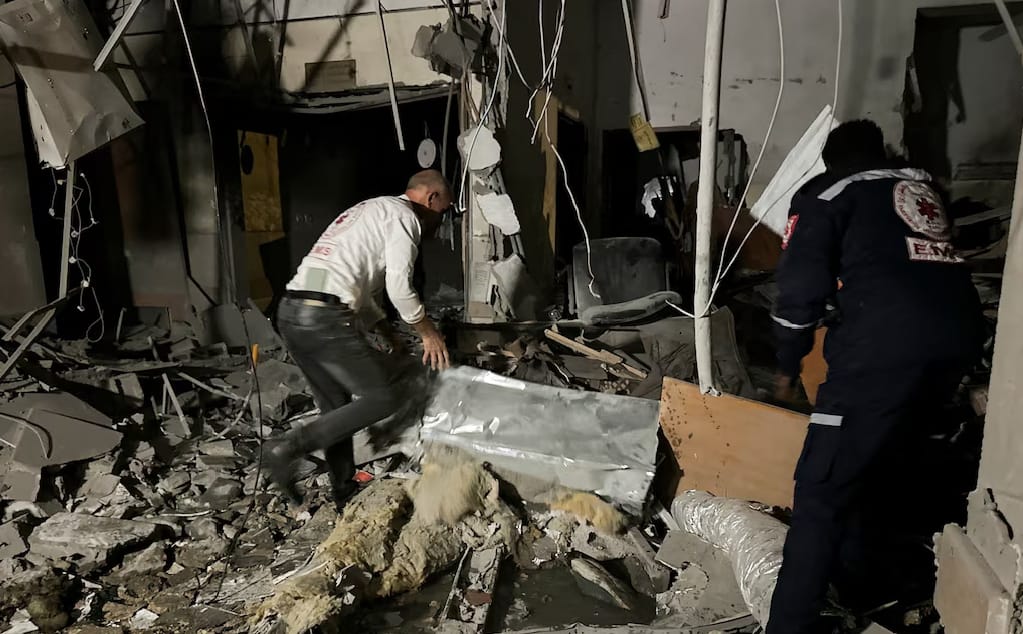
An Israeli airstrike on Nasser Hospital in southern Gaza has killed at least six Palestinians, including a doctor and a 13-year-old child, in another devastating incident highlighting the dangers facing civilians and medical workers in the besieged territory. The attack struck the hospital complex in Khan Younis shortly after midnight on Thursday, November 12, 2026, according to Palestinian health authorities.
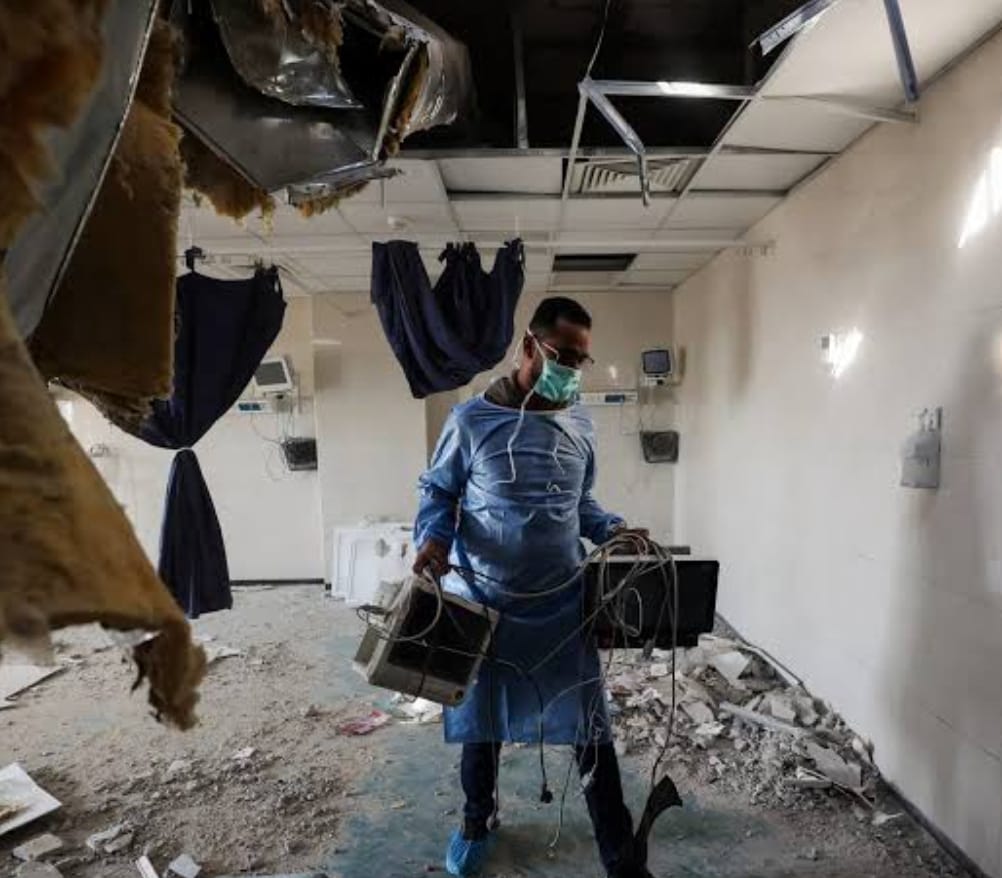
The strike reportedly hit the hospital's surgical department, damaging critical medical facilities and leaving patients and healthcare workers caught in the aftermath. At least 28 people were wounded, according to Gaza's Health Ministry, while emergency teams and hospital staff worked to assist the injured and assess the destruction.
Among those killed was Dr. Rizk Abu Shaira, a general surgeon who had been providing medical care to patients at the hospital. A 13-year-old child was also among the victims. The loss of a medical professional and a young patient has added to the grief of families already struggling with displacement, insecurity and limited access to essential services.
For people in Gaza, hospitals represent more than medical buildings. They are places where families seek treatment, injured civilians hope for recovery and healthcare workers continue their efforts despite extremely difficult circumstances.
Damage to Critical Hospital Departments
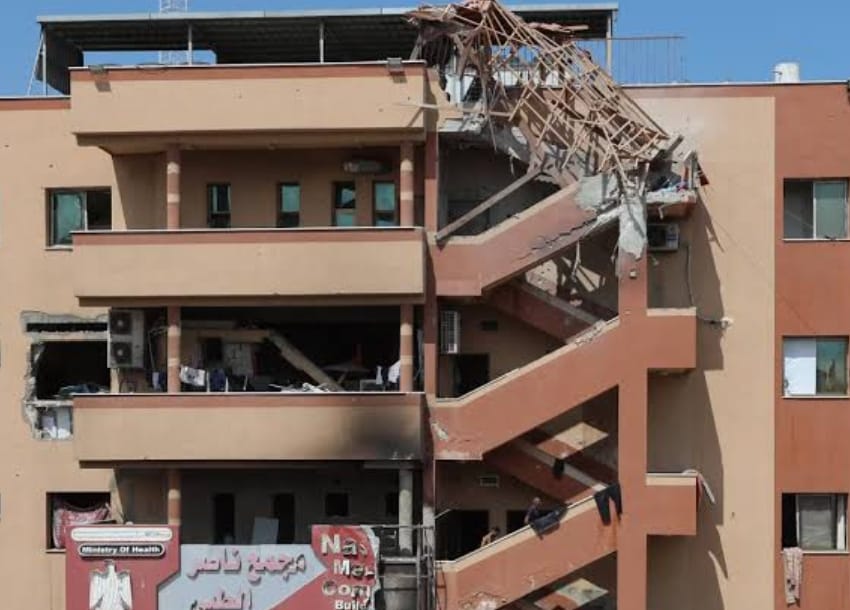
According to reports from hospital officials and international media, the strike caused extensive damage to the surgical department inside the Nasser Medical Complex. Parts of the building were left damaged, with debris, broken equipment and disrupted medical facilities affecting the hospital's ability to provide treatment.
The damage reportedly forced several essential services, including surgery, radiology and laboratory operations, to stop or become severely disrupted. These departments are particularly important for treating patients who require emergency operations, diagnostic examinations and specialised medical attention.
The disruption could have consequences beyond the immediate casualties. Patients requiring urgent surgery may face delays, while individuals with serious injuries and chronic medical conditions could experience additional difficulties accessing treatment.
Nasser Hospital is one of the important remaining medical facilities serving southern Gaza. Its ability to provide healthcare is particularly significant in an area where years of conflict have damaged medical infrastructure and reduced the availability of specialised services.
Israel Explains the Target of the Strike
The Israeli military acknowledged carrying out the operation and said its forces targeted a senior Hamas commander and other militants allegedly operating within the hospital complex.
Israeli officials claimed that Hamas was using the facility for military activities, including command operations. The military described the strike as an operation against individuals it considered a security threat.
However, the circumstances surrounding the alleged military presence and the full details of the targeting decision have not been independently established. Palestinian officials and hospital representatives have raised concerns about the attack on a functioning medical facility where patients and healthcare workers were present.
The competing accounts underline the importance of independent investigations into incidents involving civilian infrastructure, particularly hospitals that continue providing essential services during armed conflict.
International Concern Over the Protection of Hospitals
The attack has renewed international attention on the protection of healthcare facilities in Gaza. Hospitals, medical personnel, ambulances and patients are afforded special protection under international humanitarian law.
Under the Geneva Conventions and applicable rules of armed conflict, medical facilities must be respected and protected. Their protection can cease only under specific circumstances, such as when they are used to commit acts harmful to an adversary outside their humanitarian function, and only after applicable legal conditions and warnings are met.
Even in such circumstances, the principles of distinction, proportionality and precaution remain essential. The presence of an alleged military target does not remove the obligation to protect civilians and patients.
The World Health Organization has repeatedly stressed that healthcare facilities must not be militarised or attacked. It has also warned that continued damage to medical infrastructure makes it increasingly difficult for healthcare workers to provide even basic treatment.
The latest incident adds to a wider pattern of pressure on Gaza's healthcare system, where shortages of medicines, medical equipment, electricity and specialised personnel have made ordinary medical procedures increasingly difficult.
UN Appeals for Urgent Humanitarian Assistance
Alongside concerns about the hospital strike, the United Nations has renewed calls for urgent humanitarian assistance to reach Gaza as winter conditions worsen.
UN humanitarian chief Tom Fletcher has urged governments and international partners to accelerate the delivery of essential supplies rather than delay assistance. The UN's requested supplies include durable shelter, warm clothing, blankets, safe heating equipment, fuel, generators and water pumps needed to manage flooding.
Recent heavy rainfall has further complicated living conditions for displaced Palestinian families. Thousands of people are living in temporary shelters and tents that offer limited protection against cold weather and flooding.
The United Nations has warned that inadequate shelter and delays in delivering essential supplies are increasing the risks faced by vulnerable families, particularly children, older people and those with existing medical needs.
The calls for humanitarian assistance have also included demands for the opening of border crossings and improved access for humanitarian organisations. Aid agencies say they need reliable access to deliver medical supplies, food, clean water and emergency shelter materials to people who urgently need them.
The destruction of hospital facilities and the shortage of humanitarian supplies are closely connected challenges. Medical treatment becomes harder to provide when hospitals lack functioning equipment, while patients have fewer alternatives when damaged facilities cannot continue operating.
A Growing Human Cost for Gaza's Civilians
Behind the casualty figures are families experiencing personal loss, medical workers facing dangerous conditions and patients whose recovery may now be more difficult.
For the relatives of those killed, the loss is not simply another headline in an ongoing conflict. It means the sudden absence of loved ones, unanswered questions and the difficult task of continuing life amid uncertainty.
For injured patients, the damage to hospital departments may mean longer waiting periods and limited access to specialised treatment. For healthcare workers, every disruption creates additional pressure as they attempt to care for people with fewer resources and increasingly difficult working conditions.
The situation also raises broader questions about how civilians can be protected when military operations take place near essential public services.
Conclusion
The Israeli strike on Nasser Hospital has once again highlighted the devastating human consequences of the Gaza conflict. With at least six people killed, including a doctor and a child, and vital medical services disrupted, the incident has intensified concerns about civilian protection and the future of healthcare in the territory. As the United Nations calls for urgent humanitarian assistance, ensuring the safety of hospitals, protecting medical workers and allowing essential aid to reach civilians remain immediate priorities. For the people of Gaza, access to medical care, safe shelter and basic necessities is not a political demand but a fundamental human need.

Written by
Haris Times StaffComments (0)
No comments yet. Be the first!