
Houthis Claim Drone Attacks on Riyadh and Saudi Oil Pipeline as Middle East Tensions Escalate
Yemen's Houthi forces claim responsibility for attacks targeting Saudi Aramco facilities and a strategic oil pipeline pumping station, while Saudi-led coalition forces report intercepting incoming drones.
By HarisTimes
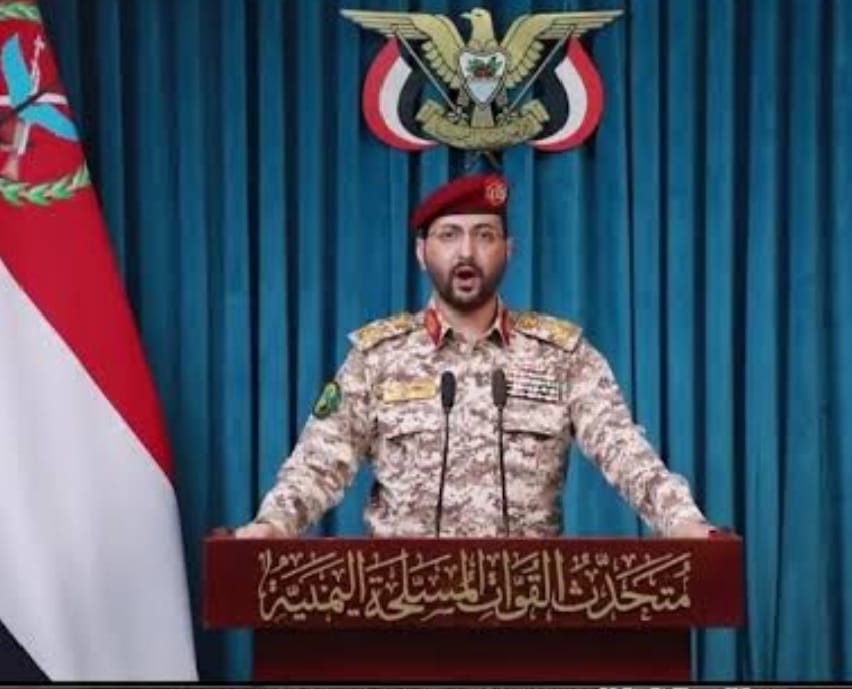
Tensions across the Middle East have intensified after Yemen's Houthi movement claimed responsibility for a series of drone and missile attacks targeting Saudi Arabia, including the capital Riyadh and important energy infrastructure. The latest announcements have raised concerns about the security of the kingdom's oil industry and the potential consequences for an already unsettled regional situation.
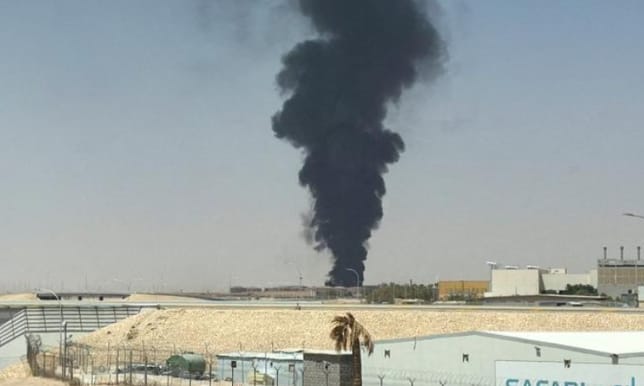
According to statements released by Houthi military spokesperson Yahya Saree, the group's forces targeted Saudi Aramco facilities in Riyadh and Pumping Station No. 7 along the kingdom's strategic East-West oil pipeline. The movement also claimed attacks involving other military and energy-related locations, including facilities in the Red Sea port city of Yanbu.
The claims came as Saudi-led coalition forces reported intercepting and destroying incoming drones over Riyadh and the Eastern Province. However, the full extent of the reported damage and the operational success of each claimed attack have not been independently established.
Riyadh and Saudi Aramco Become Targets
Riyadh has become an increasingly important focus of regional security concerns as the conflict expands beyond traditional battlefield locations.
The Houthis claimed that their operations targeted Saudi Aramco facilities in the capital, describing the attacks as part of their wider military campaign against Saudi interests.
Saudi Aramco is one of the world's most influential energy companies and plays a central role in the Saudi economy. Its infrastructure includes production facilities, processing plants, transportation networks and administrative operations that support the kingdom's position in international energy markets.
Any attack or disruption involving the company's facilities can attract considerable international attention because of the importance of Saudi oil production to global energy supplies.
The latest claims follow earlier reports of damage to an Aramco office building in Riyadh, where falling shrapnel from an attempted attack reportedly affected parts of the structure.
Strategic Importance of Pumping Station No. 7
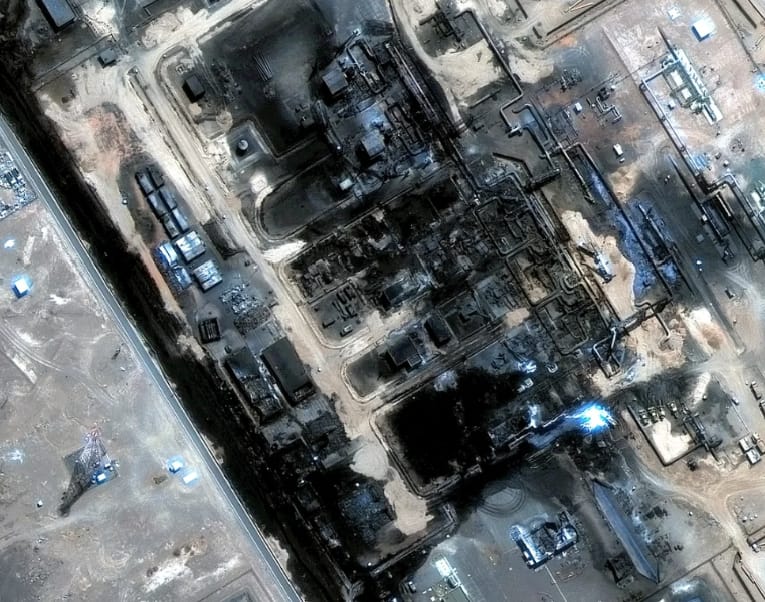
One of the most significant elements of the Houthi announcement involved Pumping Station No. 7 along Saudi Arabia's East-West oil pipeline.
The pipeline, also known as Petroline, is a major transportation route connecting oil-producing areas in eastern Saudi Arabia with export facilities at Yanbu on the Red Sea.
Its importance has increased considerably because of disruptions to shipping through the Strait of Hormuz. The route provides Saudi Arabia with an alternative way to transport crude oil towards international markets without depending entirely on the strategically sensitive waterway.
Reuters reported that Saudi Arabia has redirected approximately four million barrels of crude oil per day through the East-West pipeline during the regional conflict.
This makes the infrastructure particularly important for maintaining energy exports and reducing the impact of maritime disruptions.
An attack on one of its pumping stations could potentially create operational challenges, although the full extent of the latest reported incident remains unclear.
Saudi Coalition Reports Drone Interceptions
Saudi-led coalition forces have confirmed intercepting and destroying drones over parts of the kingdom, including the Riyadh region and the Eastern Province.
These interceptions demonstrate the continuing pressure on Saudi air defence systems as the country faces repeated threats involving unmanned aerial vehicles and missiles.
The coalition has also reported intercepting other projectiles directed towards different parts of Saudi Arabia in recent days.
Saudi authorities did not immediately provide a complete assessment of the damage associated with every Houthi claim. The difference between the group's announcements and officially confirmed developments makes independent verification particularly important.
Why the East-West Pipeline Matters to Global Energy Markets
Saudi Arabia is among the world's largest oil exporters, and its energy infrastructure has an important influence on international markets.
The East-West pipeline has become especially valuable during periods of instability around the Strait of Hormuz, through which a significant share of internationally traded petroleum normally passes.
By transporting crude oil from the Gulf region to Red Sea export terminals, the pipeline provides an alternative export corridor and helps reduce dependence on maritime routes exposed to military tensions.
Any sustained disruption to this infrastructure could create additional uncertainty for oil producers, shipping companies, energy traders and countries dependent on imported petroleum.
However, the immediate market impact of the latest claims will depend on whether actual damage has occurred and whether pipeline operations have been affected.
A Wider Regional Conflict
The latest developments reflect the increasingly complicated security environment across the Middle East.
The Houthis have become an important actor in regional military tensions, using drones and missiles to threaten military positions, airports, ports and energy facilities.
Their involvement creates additional challenges for Saudi Arabia and other regional governments seeking to protect critical infrastructure and maintain commercial transportation routes.
The situation also raises concerns about maritime security around the Red Sea and the Bab el-Mandeb Strait, an important passage connecting the Red Sea with the Gulf of Aden.
For international businesses and ordinary consumers, prolonged instability can mean higher transportation costs, uncertainty in energy supplies and additional pressure on already vulnerable economies.
Conclusion
The Houthi claims of attacks on Riyadh and Saudi Arabia's East-West oil pipeline highlight the growing risks facing the kingdom's critical infrastructure amid escalating Middle East tensions. Although Saudi coalition forces have confirmed intercepting drones, the full extent of damage from the claimed operations remains uncertain. As regional hostilities continue, protecting energy facilities, maintaining secure transportation routes and preventing further escalation will remain essential for Saudi Arabia and the wider international community.

Written by
Haris Times StaffComments (0)
No comments yet. Be the first!