Israel`s next Prime Minister may not be Netanyahu
A record 19 seats won by Arab-led parties have become central to Israel’s post-election power struggle.
By HarisTimes
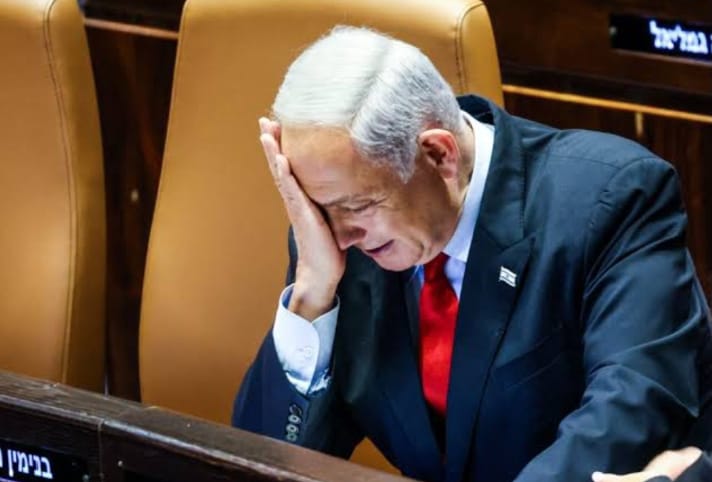
Netanyahu Wins Most Seats but Falls Short of a Majority
Israel’s next prime minister may not be Benjamin Netanyahu, despite his Likud party finishing first in the October 27 parliamentary election.
Likud won 27 seats, ahead of Gadi Eisenkot’s Yashar party, which secured 21. However, Netanyahu’s political bloc won only 53 seats in the 120-member Knesset, falling eight short of the 61 needed for a parliamentary majority. The opposition bloc secured 48 seats.
The remaining 19 seats went to Arab-led parties, which recorded their strongest combined representation in the election. Their support has become a central factor in the contest over who will lead Israel’s next government.
Arab Parties Recommend Eisenkot
Both Ra’am and the Joint List have recommended former military chief Gadi Eisenkot to President Isaac Herzog as the candidate they want to receive the first opportunity to form a government.
Together with the opposition parties’ recommendations, Eisenkot has secured the backing of 67 lawmakers, compared with 46 for Netanyahu, according to reports by Reuters and The Guardian.
The endorsements give Eisenkot a significant advantage in the presidential consultations. However, they do not automatically mean that the Arab parties will join his governing coalition.
Coalition Negotiations Remain Complicated
The political challenge begins after the president selects a candidate to form a government. Eisenkot must bring together parties with differing positions on security, Palestinian statehood, military service and other domestic issues.
Some opposition politicians have reservations about relying on Arab-party support. Meanwhile, Netanyahu has questioned the election process and made allegations of fraud involving Arab parties. Election officials have said the vote's integrity was not compromised, although allegations and related scrutiny have added to political tensions.
President Herzog is expected to announce his decision on Sunday, November 8. The candidate receiving the mandate will have 28 days, with a possible 14-day extension, to assemble a government.
Conclusion
Israel’s election has placed Arab-led parties at the centre of a major political contest. Their recommendations have given Gadi Eisenkot 67 endorsements, putting him ahead of Netanyahu in the presidential consultations. But forming a government will require more than parliamentary recommendations. Whether Eisenkot can overcome divisions among potential partners—or Netanyahu can find another route to power—will shape Israel’s political future.

Written by
Haris Times StaffComments (0)
No comments yet. Be the first!