
Russia, Ukraine and US Resume Peace Talks in Abu Dhabi Amid Hopes for Diplomatic Breakthrough
Washington seeks progress towards ending the war as Moscow and Kyiv return to negotiations after a nine-month pause, with territorial control and postwar security arrangements remaining major challenges.
By HarisTimes
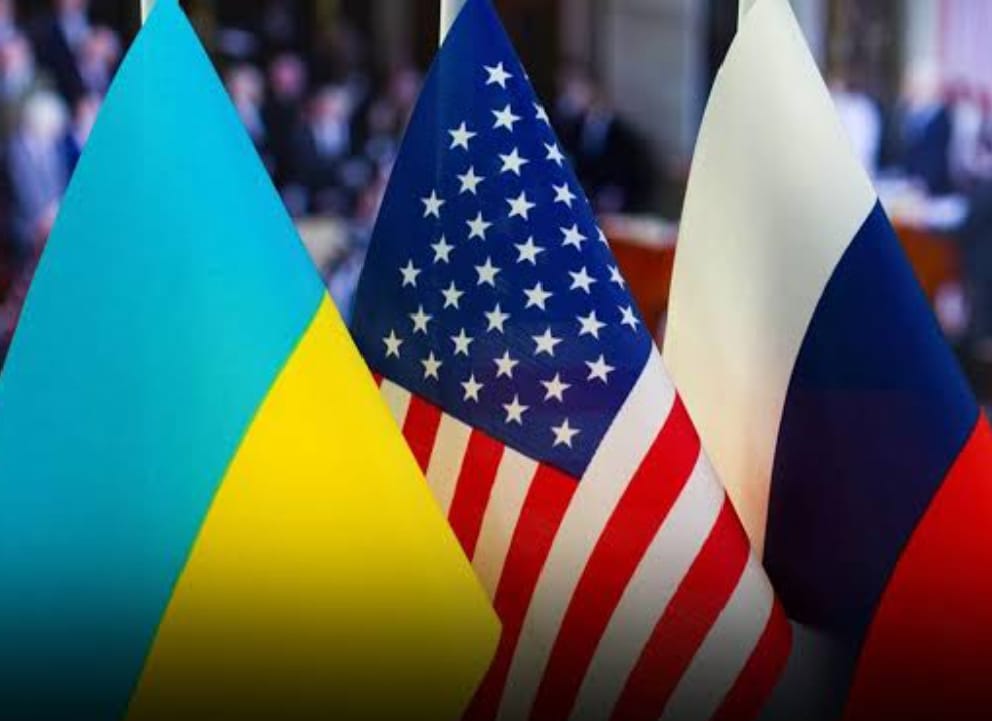
Russia, Ukraine and US Resume Peace Talks in Abu Dhabi Amid Hopes for Diplomatic Breakthrough
Trilateral Negotiations Resume After Nine-Month Pause
Delegations from Russia, Ukraine and the United States have resumed trilateral peace negotiations in Abu Dhabi, United Arab Emirates, on November 10, 2026, marking an important return to diplomatic engagement after a nine-month pause. The two-day discussions represent another effort by Washington to bring an end to the prolonged conflict between Moscow and Kyiv.
The latest negotiations are being facilitated by the administration of US President Donald Trump, which has increased diplomatic efforts to find a framework acceptable to both countries. The United Arab Emirates is hosting the meetings as part of its broader efforts to support international dialogue and conflict resolution.
According to Ukrainian officials, the agenda includes ending hostilities, discussing security arrangements and identifying practical steps towards a political settlement. The resumption of direct trilateral discussions has generated cautious interest among international observers, although major disagreements remain unresolved.
The previous round of negotiations took place in February 2026. Since then, diplomatic progress has remained limited, while military operations and attacks on infrastructure have continued.
US Leads Renewed Diplomatic Efforts
The American delegation is being led by US special envoy Steve Witkoff and President Trump's son-in-law Jared Kushner. Both representatives have been involved in diplomatic contacts with Russian and Ukrainian officials as Washington attempts to establish common ground between the opposing sides.
Trump has expressed optimism about the possibility of reaching an agreement, suggesting that recent discussions have created opportunities for progress. American officials have also indicated that Moscow and Kyiv have demonstrated some private flexibility regarding territorial questions.
However, these assessments have not been accompanied by publicly confirmed agreements. US officials acknowledge that negotiations will require further discussions, particularly on the future security structure of Eastern Europe.
Washington is also seeking to address the security concerns of both countries through a broader diplomatic framework. This could involve communication mechanisms, security guarantees and arrangements designed to reduce the possibility of renewed hostilities.
Russia and Ukraine Maintain Different Positions
Territorial control remains one of the most difficult issues facing negotiators. Russia continues to demand control over the entire Donbas region in eastern Ukraine, including areas that remain under Ukrainian administration.
Moscow has repeatedly presented its territorial demands as essential to a comprehensive settlement. Ukraine, however, has rejected proposals requiring it to surrender territory that its military continues to defend.
Ukrainian President Volodymyr Zelenskyy has maintained that any peace agreement must protect the country's sovereignty and provide reliable guarantees against future military aggression.
A senior Ukrainian official has also disputed suggestions that Kyiv is prepared to accept territorial concessions as part of an agreement.
US officials have suggested that both parties may be showing some flexibility privately. Nevertheless, the exact nature of any possible compromise remains unclear, and neither government has publicly confirmed a change in its fundamental negotiating position.
Security Guarantees Become a Central Issue
Security guarantees are expected to play a major role in the Abu Dhabi discussions. Ukraine wants assurances that a future settlement will prevent another Russian invasion and protect its independence.
Kyiv has previously supported arrangements involving continued military assistance from Western partners and potential security commitments resembling NATO's collective-defence principles.
Russia, meanwhile, has raised concerns about NATO's military presence in Eastern Europe and Ukraine's potential membership in the alliance. Moscow wants a broader discussion about European security arrangements, including limits on military infrastructure near Russian territory.
US Secretary of State Marco Rubio has indicated that any postwar security arrangement must be acceptable to Russia as well as provide Ukraine with confidence in its future safety.
These competing expectations demonstrate why negotiations over territory cannot easily be separated from discussions about military security and international commitments.
European Countries Seek Involvement
Although the main negotiations involve Russia, Ukraine and the United States, European governments are also seeking a role in discussions affecting the continent's security.
Representatives from France, Germany, the United Kingdom and Italy, along with officials from the European Union and NATO, have been involved in consultations surrounding the Abu Dhabi meetings.
Ukraine has argued that European countries must participate in decisions concerning their regional security. Kyiv maintains that any settlement affecting Europe's future security arrangements should include the governments that would be directly affected.
Russia, however, has expressed reservations about European participation in the formal trilateral negotiating structure.
The United States has attempted to coordinate positions with European partners separately, while keeping the main negotiations focused on the three participating countries.
The discussions could eventually lead to a wider diplomatic framework involving additional European governments.
Humanitarian Issues and Possible Ceasefire Arrangements
Beyond territorial and military questions, the negotiations are also expected to address humanitarian concerns.
Ukraine has identified prisoner exchanges, the protection of civilians and possible ceasefire arrangements involving energy infrastructure and maritime activity as important priorities.
Repeated attacks on energy facilities have created difficulties for civilian populations, particularly as colder weather approaches. Damage to electricity and heating infrastructure has increased concerns about the humanitarian consequences of continued fighting.
Kyiv has also expressed interest in restoring stability around Black Sea shipping routes, which remain important for international trade and agricultural exports.
Russia and Ukraine have previously participated in prisoner exchanges and limited ceasefire arrangements. These efforts demonstrate that cooperation on specific humanitarian issues may be possible even when broader political disagreements remain.
However, no comprehensive ceasefire agreement has been announced as part of the latest negotiations.
UAE's Role in Supporting Peace Efforts
The United Arab Emirates has welcomed the resumption of trilateral negotiations and reaffirmed its commitment to supporting diplomatic solutions.
UAE Deputy Prime Minister and Foreign Minister Sheikh Abdullah bin Zayed Al Nahyan attended the launch of the latest round of talks in Abu Dhabi.
The UAE government has described its involvement as part of an effort to bridge differences between the participating countries and encourage dialogue.
Abu Dhabi's diplomatic role reflects its relationships with Washington, Moscow and Kyiv. Hosting the negotiations also highlights the Gulf state's growing involvement in international diplomatic initiatives.
The UAE has previously supported humanitarian and mediation efforts connected to the Russia-Ukraine conflict, including initiatives involving prisoner exchanges.
International Response and Challenges Ahead
The renewed negotiations have attracted international attention because of their potential implications for European security, global energy markets and international relations.
Several governments have welcomed continued diplomatic engagement, although expectations of an immediate breakthrough remain limited.
The territorial dispute, disagreements over NATO and the question of long-term security guarantees remain substantial obstacles.
Military activity has also continued alongside diplomatic efforts, demonstrating the difficulty of negotiating a settlement while fighting remains ongoing.
The next stages of discussions will be important in determining whether the delegations can move beyond general diplomatic positions and develop practical proposals.
What Happens Next?
The Abu Dhabi meetings are scheduled to continue through November 11. Negotiators are expected to assess possible areas of agreement and discuss further steps towards a broader settlement.
For Ukraine, protecting sovereignty and securing reliable postwar guarantees remain essential. Russia continues to emphasise territorial demands and wider European security concerns, while the United States is attempting to identify a framework that addresses the competing positions.
The resumption of talks represents a renewed diplomatic opportunity, but it does not guarantee an immediate end to the conflict.
The outcome will depend on whether Moscow and Kyiv can translate reported diplomatic flexibility into concrete agreements on territory, security and the future relationship between the two countries.
Conclusion
The resumption of Russia-Ukraine peace talks in Abu Dhabi has reopened diplomatic channels after months of limited progress. Although reports of greater flexibility offer an opportunity for further negotiations, territorial disagreements and security guarantees remain major obstacles. The coming discussions will be important in determining whether diplomatic engagement can produce meaningful steps towards ending the war.

Written by
Haris Times StaffComments (0)
No comments yet. Be the first!