
Trump Addresses Iran, Ukraine, China and U.S. Economy During November 20 White House Press Conference
Joined by JD Vance and Marco Rubio, Trump discussed his recent Asian diplomatic visit, trade agreements, nuclear security, relations with Russia and China, healthcare negotiations and questions surrounding domestic policy.
By HarisTimes
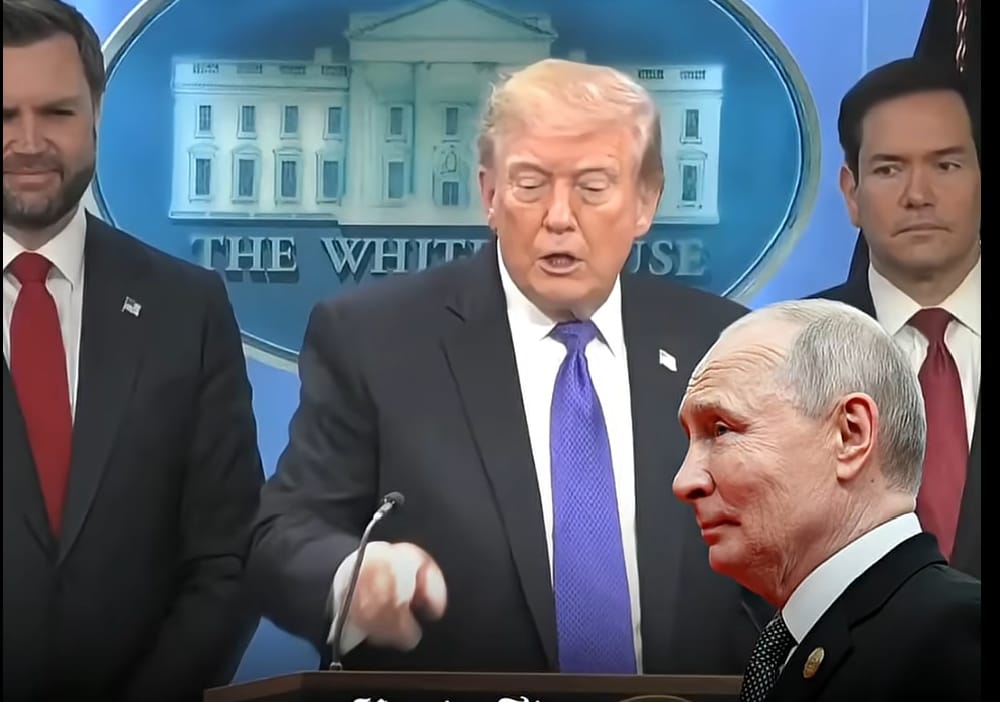
Trump Addresses Iran, Ukraine, China and U.S. Economy During November 20 White House Press Conference
President Discusses Asian Diplomatic Visit and Responds to Questions on Major International and Domestic Issues
U.S. President Donald Trump held an extended press conference at the White House on November 20, 2026, following his return from a diplomatic visit to Asia. Vice President JD Vance and Secretary of State Marco Rubio also attended the briefing, during which Trump discussed international relations, trade agreements, nuclear security and domestic policy.
The press conference lasted approximately 90 minutes and included questions from journalists on several important issues, including Iran, Ukraine, China, healthcare, economic conditions and the administration's political priorities. Trump used the occasion to highlight the outcomes of his overseas meetings while responding to questions about his administration's decisions.
1. Trump Highlights Outcomes of His Asian Visit
Opening his remarks, Trump described his recent Asian trip as one of the most successful presidential visits to the region in American history. He said that during four days of diplomatic engagements, he met more than 20 world leaders, attended several international summits and secured two new trade agreements, with additional agreements expected.
He highlighted the importance of strengthening relationships with regional partners and expanding opportunities for American businesses, farmers and workers. The White House also cited more than $17 billion in agreements and commercial commitments associated with the trip.
2.Questions About Iran and Its Nuclear Programme
Iran's nuclear programme was among the major subjects discussed during the briefing. Asked about the possibility of reaching an agreement with Tehran, Trump said the United States wanted a genuine agreement rather than what he described as an unacceptable or ineffective arrangement.
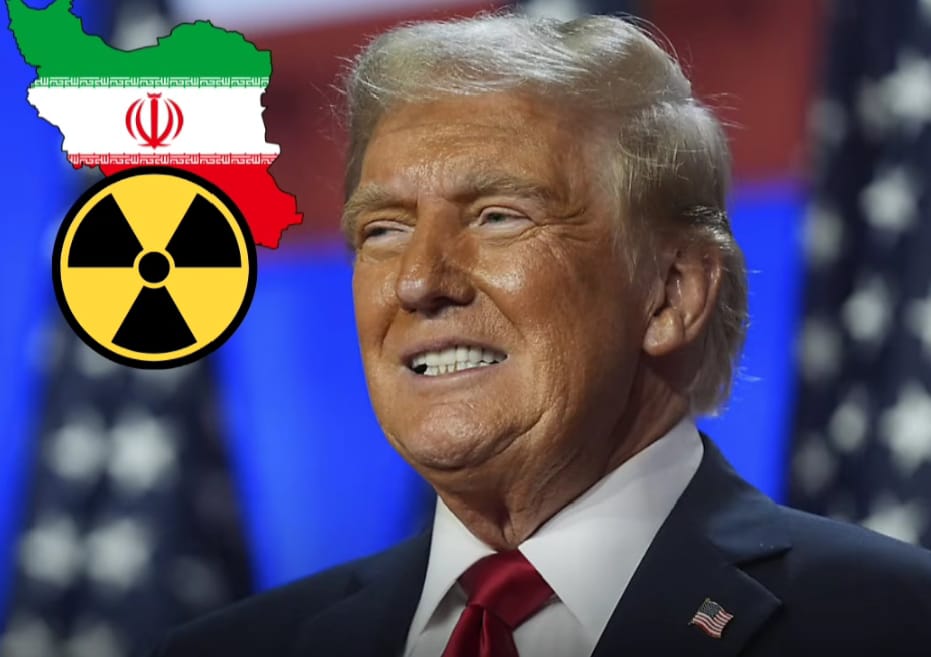
He reiterated that Iran must not be allowed to obtain nuclear weapons and defended his administration's approach toward the country. He also addressed questions about reports that Iran could be developing plans involving a radiological or dirty bomb, saying that his administration was aware of the allegations and would not allow such an attack.
However, the reported dirty-bomb allegation was not independently established during the briefing. Trump's statements represented the administration's position rather than independent confirmation of an Iranian plan.
3. Discussion on Russia, China and the Ukraine War
Trump also discussed his meetings with Russian President Vladimir Putin and Chinese President Xi Jinping. He described his relationships with both leaders as positive and argued that maintaining communication with major nuclear powers was important for international security.
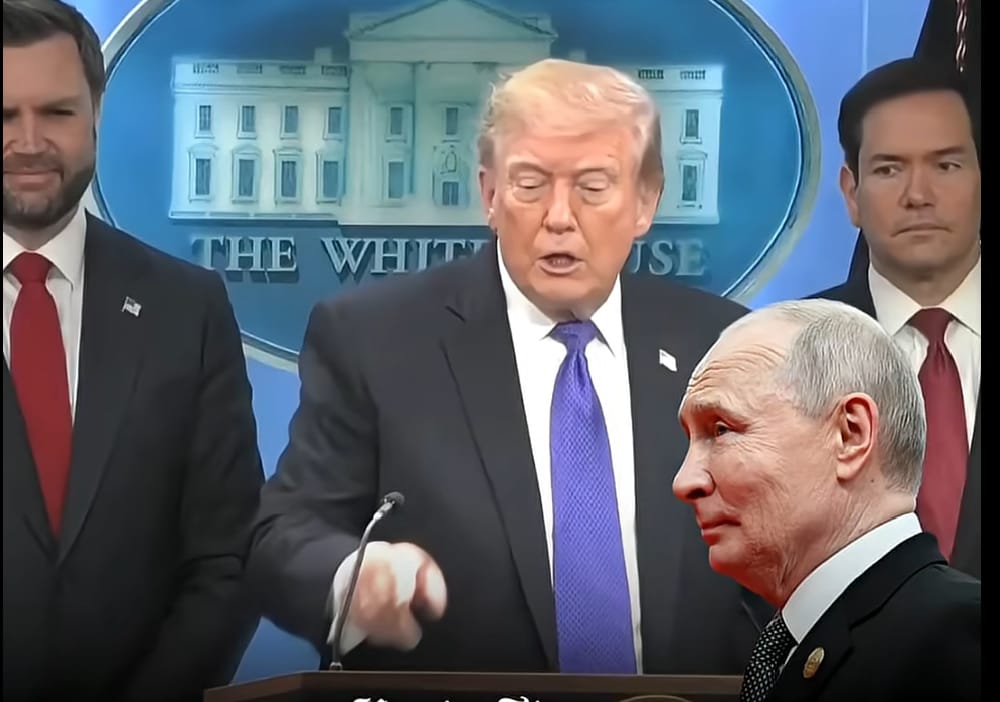
Responding to questions about Putin's position on the war in Ukraine, Trump said the Russian president wanted the conflict to end through diplomatic efforts. He also claimed that Putin had told him the full-scale invasion would not have happened if Trump had been president at the time.
Journalists questioned whether Trump's positive relationship with Putin could be relied upon, particularly following continued Russian military activity in Ukraine. Trump maintained that both Putin and Ukrainian President Volodymyr Zelenskyy needed to find a way to end the conflict, describing their relationship as a major obstacle to negotiations.
He acknowledged that reaching an agreement remained difficult but expressed hope that diplomatic efforts could eventually bring the war to an end.
4. Historic Trilateral Meeting and Nuclear Security
Another important subject was the reported trilateral meeting involving the United States, Russia and China. Trump described the gathering as historic, highlighting discussions about the responsibilities of the world's three largest nuclear powers.
According to the president, the leaders discussed reducing nuclear risks and preventing the spread of nuclear weapons. The White House also highlighted a joint declaration focused on peace and nuclear security.
Secretary of State Marco Rubio supported continued communication among the three countries, arguing that engagement between major nuclear powers was important despite their political differences.
5. Trade Agreements with Thailand and the Philippines
Trade and commercial cooperation featured prominently in Trump's remarks. He highlighted an agreement with Thailand involving the removal of tariffs and non-tariff barriers affecting American products. He also said Thailand had expressed interest in purchasing approximately $2.6 billion in U.S. agricultural products annually.
Discussing the Philippines, Trump referred to an agreement involving Philippine Airlines' planned purchase of 20 Boeing 787 Dreamliner aircraft equipped with General Electric engines. He said the contract would support approximately 47,000 American jobs.
The president presented these agreements as examples of his administration's efforts to expand exports and support domestic industries.
6. Healthcare Cooperation and Political Questions
Trump was also asked about the possibility of working with Democrats following the midterm elections. He indicated that he was open to cooperation, particularly on healthcare, suggesting that a compromise could be reached if both sides were willing to negotiate.
However, he also emphasized that he would use his presidential veto power against legislation he considered unacceptable. His remarks reflected a willingness to discuss bipartisan agreements while maintaining differences over legislative priorities.
He also addressed the Republican Party's midterm performance, arguing that the results might have been different if he had personally been on the ballot.
7. Economy, Fuel Prices and Technology Investment
On economic issues, Trump highlighted a reported decline in U.S. gasoline prices, claiming that average prices had fallen by approximately 60 cents per gallon over the previous month.
He also discussed restrictions on American companies building data centres overseas, arguing that important technology infrastructure and investment should remain within the United States.
Artificial intelligence and semiconductor technology were additional subjects. Trump expressed support for giving Nvidia's former chief executive Jensen Huang another opportunity to lead the company, describing him as an important figure in the technology industry.
8. Questions About Government Officials and Press Relations
Journalists also raised questions about Commerce Secretary Howard Lutnick and the president's confidence in his performance. Trump defended Lutnick, describing him as an experienced businessman who had contributed to several administration initiatives.
The briefing also included discussion of National Cyber Director Sean Cairncross, whose departure Trump confirmed.
Near the conclusion of the press conference, Trump exchanged tense remarks with an NBC reporter after she attempted to ask a question. He described her as rude and did not provide the requested response, prompting further media attention surrounding the interaction.
Conclusion
The November 20 White House press conference covered a wide range of international and domestic issues, from Iran's nuclear programme and the Russia-Ukraine war to trade agreements, healthcare and technology investment. Trump emphasized the outcomes of his Asian visit and defended his administration's approach to international diplomacy and domestic policy. However, several claims and proposed initiatives discussed during the briefing will require further developments and independent verification. The questions raised by journalists also demonstrated the continuing challenges facing the administration across foreign policy, economic management and political cooperation.

Written by
Haris Times StaffComments (0)
No comments yet. Be the first!