
COP31 Climate Talks End Without Agreement After Record-Breaking Negotiations
Deep divisions over fossil fuels, climate financing and international responsibilities prevent countries from reaching a final agreement at the UN climate summit.
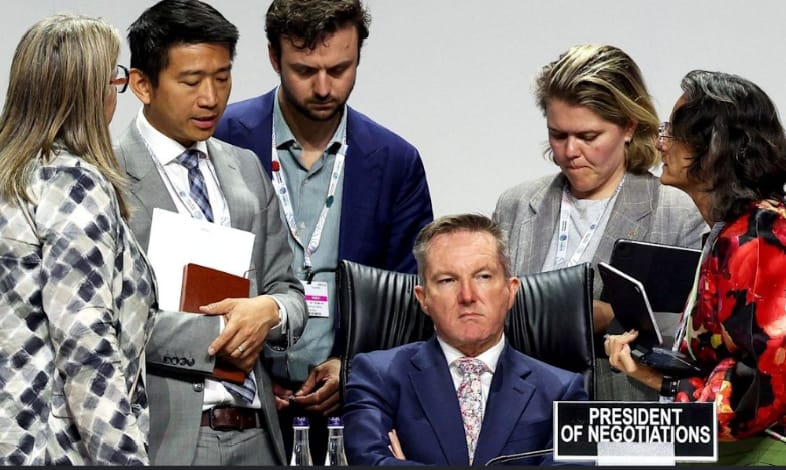
COP31 Climate Talks End Without Agreement After Record-Breaking Negotiations
Deep Divisions Over Fossil Fuels and Climate Finance Prevent Nearly 200 Countries from Reaching a Final Deal
COP31 Ends After Extended Negotiations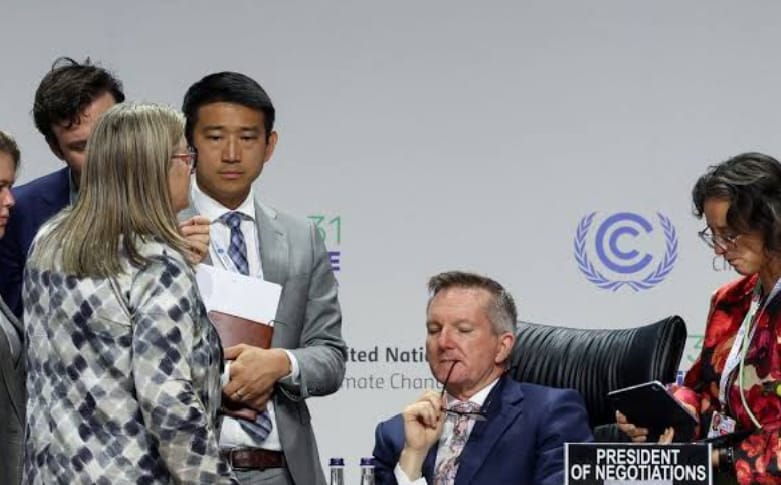
The 31st United Nations Climate Change Conference (COP31) has concluded in Antalya, Türkiye, without reaching an overall agreement on key climate commitments. The summit, jointly led by Türkiye and Australia, continued for more than two weeks and extended approximately two days beyond its scheduled closing date, making it the longest UN climate summit on record.
Delegates from nearly 200 countries participated in discussions aimed at strengthening international cooperation on climate change, reducing emissions and supporting vulnerable nations. However, disagreements over major policy issues prevented governments from reaching a consensus on the final agreement.
Fossil Fuels Become the Main Point of Disagreement
The biggest obstacle during the negotiations was whether the final agreement should explicitly mention fossil fuels, including coal, oil and natural gas.
Several countries, including members of the European Union, called for stronger commitments to move away from fossil fuel consumption. They argued that an international climate agreement would remain incomplete without addressing the major sources of greenhouse gas emissions.
However, oil-producing countries, including Saudi Arabia and Russia, opposed including explicit language on fossil fuel phase-outs. Their position contributed to the disagreement over the final draft.
Ireland's climate minister, Darragh O'Brien, criticised the proposed agreement, arguing that countries could not support a climate document that failed to directly address fossil fuels.
Disagreements Over Climate Financing
Financial support for developing countries was another major issue. Several lower-income and climate-vulnerable nations called for clearer commitments from wealthier countries to help them adapt to rising temperatures, extreme weather and environmental damage.
The proposed agreement included an ambition to triple adaptation finance, but developing countries criticised the lack of a clearly defined financial baseline and implementation details.
For many vulnerable nations, financial assistance remains essential for strengthening infrastructure, preparing for natural disasters and protecting communities affected by climate change.
Australian Leadership Acknowledges Difficult Negotiations
Australia's Climate Change and Energy Minister Chris Bowen, who jointly led the negotiations with Türkiye's Murat Kurum, described the outcome as disappointing.
Bowen attributed the failure to overcome what he called significant differences between participating countries. He also highlighted the difficult geopolitical environment surrounding this year's negotiations.
Australian Prime Minister Anthony Albanese defended his government's climate position amid criticism of the summit's outcome.
UN Leadership Expresses Disappointment
United Nations Secretary-General António Guterres expressed deep frustration over the failure to secure a final agreement. He emphasised the importance of addressing fossil fuel consumption and maintaining international cooperation on climate action.
The breakdown also renewed concerns about the effectiveness of the international climate negotiation process, particularly when countries with significantly different economic interests must reach decisions through consensus.
Conclusion
COP31 ended without a comprehensive climate agreement, exposing continuing divisions over fossil fuels, financial assistance and international climate responsibilities. Although the failure represents a setback for global climate negotiations, previous international commitments, including the Paris Agreement, remain in place. Attention will now turn to the next round of negotiations in Addis Ababa, Ethiopia, where governments will face renewed pressure to find common ground and advance practical climate solutions.

Written by
Haris Times StaffComments (0)
No comments yet. Be the first!