
Jensen Huang Resigns from Nvidia After 33 Years as Alleged Affairs and China Spy Scandal Rock Tech Giant
Nvidia's co-founder leaves the company he transformed into an artificial intelligence powerhouse, as personal allegations and national security questions trigger a major leadership shake-up ahead of its November 17 earnings report.
By HarisTimes
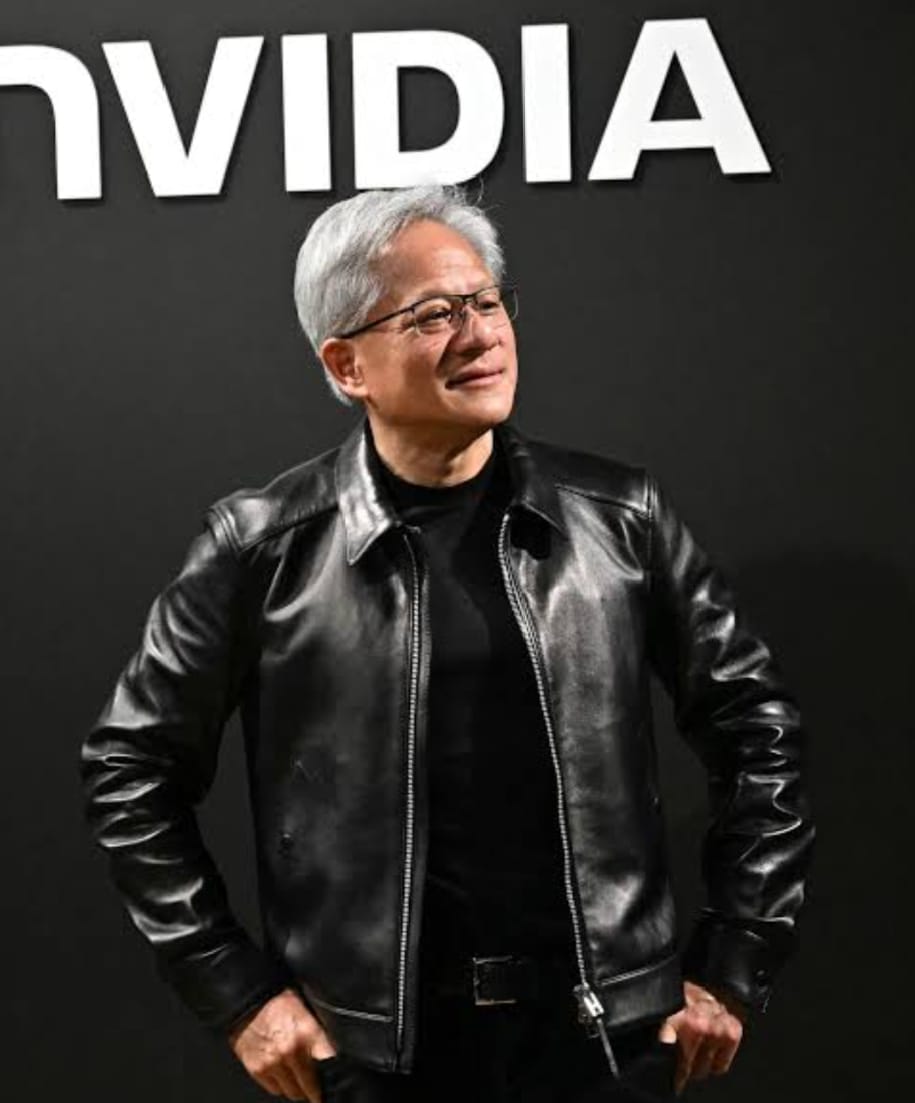
For more than three decades, Jensen Huang was the face of Nvidia, transforming a relatively small graphics technology company into one of the world's most influential semiconductor businesses. Now, an unexpected leadership change has brought his remarkable run to an abrupt end.
Huang has resigned as Nvidia's president, chief executive officer and board member, effective immediately, the company announced on November 12, 2026. His departure ends a 33-year journey at the company he co-founded in 1993 and helped turn into a central force behind the global artificial intelligence revolution.
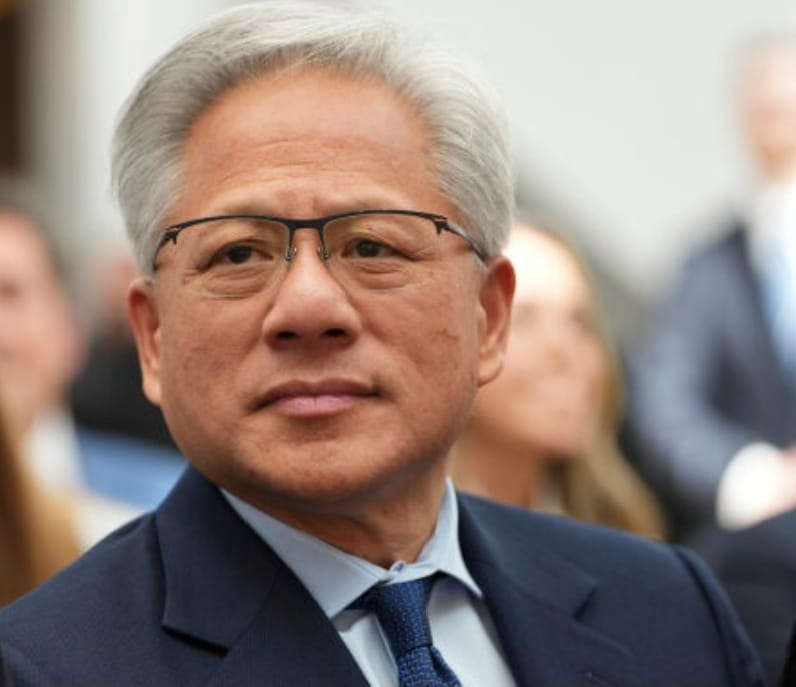
The resignation follows a series of reports involving alleged extramarital relationships and questions about his connections with a businesswoman suspected by US intelligence agencies of having links to Chinese intelligence. The allegations have placed Nvidia under intense public and political scrutiny at a particularly sensitive moment for the technology industry.
A Leadership Era Comes to an End
Huang's influence on Nvidia extended far beyond his position as CEO. Under his leadership, the company moved from developing graphics processing units primarily associated with gaming into designing advanced chips used in artificial intelligence, scientific research and large-scale data centres.
Today, Nvidia's processors power many of the world's leading AI systems. Major technology companies rely on its hardware to train and operate increasingly sophisticated artificial intelligence models.
The company's extraordinary growth also made Huang one of the most recognisable figures in the global technology sector. His departure therefore represents more than an ordinary executive change. It marks the end of a leadership era at a company whose products have become essential to the modern AI economy.
What Led to Huang's Resignation?
The controversy surrounding Huang intensified after reports emerged about his alleged relationship with Alice Huang, a Singapore-based businesswoman associated with Megaspeed International, a company connected to Nvidia's business network.
US intelligence agencies reportedly suspect Alice Huang of having links to Chinese intelligence. These suspicions have raised questions about potential national security implications, particularly because Nvidia's advanced semiconductor technology is subject to strict US export controls.
Huang previously acknowledged being unfaithful to his wife, although he has denied knowing that Alice Huang was allegedly connected to Chinese intelligence.
Further controversy followed reports published by The New York Times concerning an alleged relationship with Kimberly Powell, an Nvidia executive who served as the company's vice-president of healthcare. Reuters subsequently reported another alleged relationship involving a second female employee.
These reports intensified pressure on the company's leadership and contributed to growing questions about corporate governance and executive accountability.
It is important to distinguish between allegations and established facts. Suspicions involving foreign intelligence connections do not independently prove espionage, and the reported relationships do not establish that Nvidia's technology or confidential information was compromised.
Nvidia Names Colette Kress as Interim CEO
Following Huang's departure, Nvidia appointed its longtime chief financial officer, Colette Kress, as interim chief executive.
Kress joined Nvidia in September 2013 and has played a central role in managing the company's finances during a period of extraordinary expansion. Before joining Nvidia, she spent nearly 25 years working in finance positions at major technology companies, including Cisco and Microsoft.
She will continue serving as executive vice-president and CFO while taking on the interim CEO responsibilities.
The board has also appointed Harvey C. Jones as its first-ever chairman and announced that it will consider both internal and external candidates for the permanent chief executive position.
For employees, customers and business partners, maintaining stability during the transition will be an immediate priority.
Why the November 17 Earnings Report Matters
Nvidia's leadership crisis comes just days before one of its most closely watched financial announcements.
The company is scheduled to release its third-quarter fiscal 2027 financial results on November 17, followed by a conference call with investors and financial analysts.
The announcement will provide an opportunity to assess the company's latest performance and hear directly from its interim leadership.
Investors will be particularly interested in revenue growth, demand for AI processors, data-centre spending and the company's future outlook.
The timing makes the upcoming results especially important. Markets will be watching not only Nvidia's financial performance but also whether its business operations and strategic priorities remain stable following Huang's departure.
The leadership change has already contributed to significant volatility in Nvidia shares, reflecting concerns about uncertainty surrounding the company's future.
A Wider Question for the Artificial Intelligence Industry
Nvidia's situation also raises a broader question about how much a technology giant depends on the individual who built it.
Huang's leadership, technical vision and close involvement in company decisions played an important role in Nvidia's development. Replacing such a central figure will be a significant challenge, even for an organisation with an established executive team.
At the same time, Nvidia has a substantial workforce, global partnerships, established products and a large customer base. Its future will depend on how effectively the company manages the transition while maintaining confidence among customers, employees and shareholders.
The allegations also highlight the growing connection between corporate leadership, international business relationships and national security, particularly in the strategically important semiconductor industry.
Conclusion
Jensen Huang's resignation marks a historic turning point for Nvidia and the global technology industry. After 33 years at the helm, the man who helped shape the modern AI hardware market is stepping away amid serious personal and national security-related allegations. With Colette Kress taking temporary leadership and financial results approaching on November 17, Nvidia now faces the challenge of maintaining investor confidence, business continuity and its position at the centre of the artificial intelligence revolution.

Written by
Haris Times StaffComments (0)
No comments yet. Be the first!