
Questions Raised After Deadly Iranian Drone Strike Kills Six U.S. Soldiers in Kuwait
A 60 Minutes investigation reveals troubling accounts from survivors and families following the March 1 attack that killed six American soldiers, including Master Sgt. Nicole Amor.
By HarisTimes
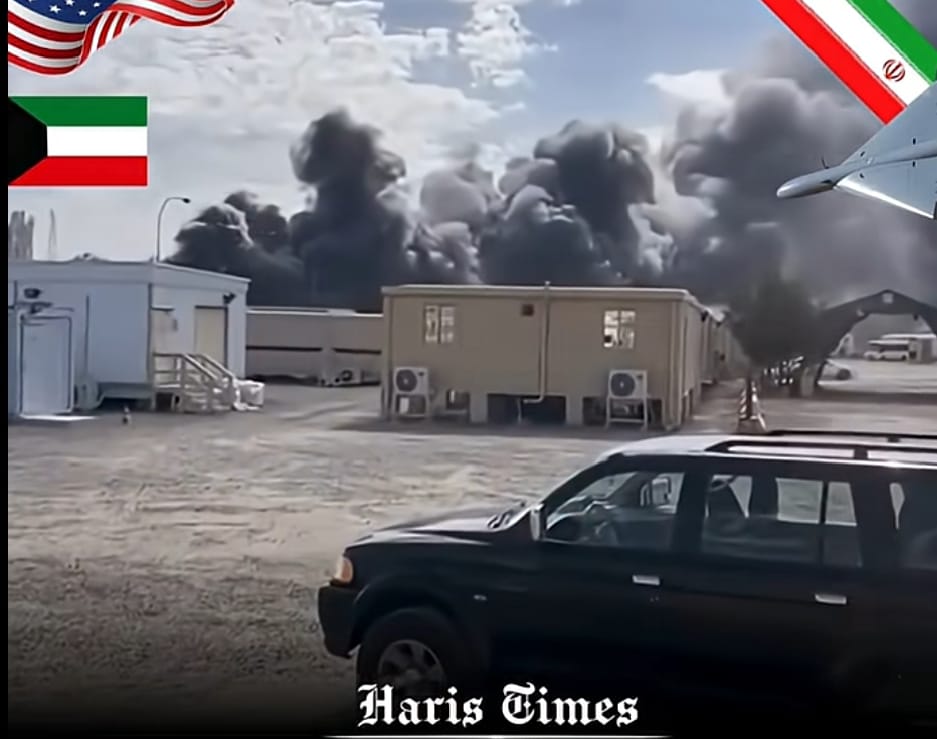
The tragic deaths of six American soldiers following an Iranian drone strike in Kuwait have raised difficult questions about military preparedness, emergency response, and the safety of troops serving overseas. A recent investigation by CBS News' 60 Minutes has brought renewed attention to the final moments of the attack and the painful experiences of those who survived it.
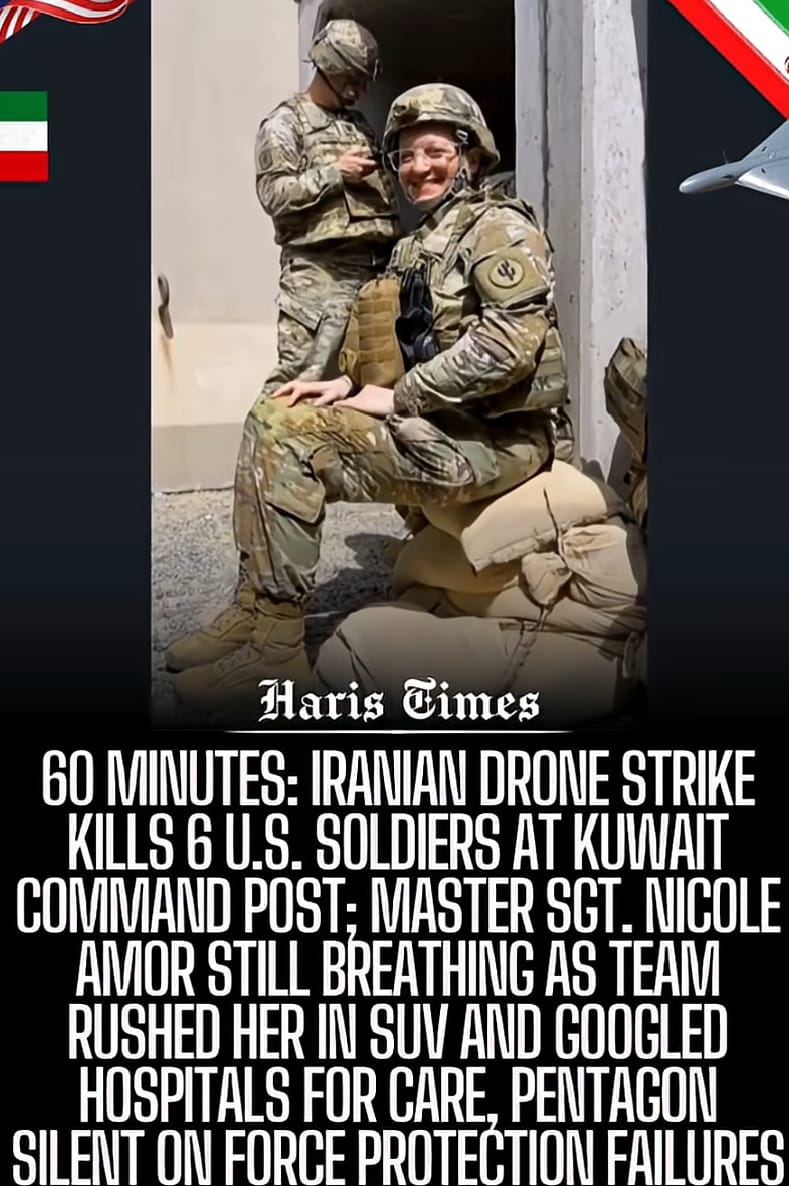
The strike occurred on March 1, 2026, targeting a U.S. Army command post in Kuwait. Among the six soldiers killed was Master Sgt. Nicole Amor, a member of the 103rd Sustainment Command. Her death has left her family grieving while also seeking answers about the circumstances surrounding the attack.
One of the most heartbreaking accounts came from her husband, Joey Amor. According to the 60 Minutes report, Nicole was still breathing after the drone struck the command post. Soldiers placed her in an SUV and rushed her toward a local hospital in an effort to save her life.
However, her husband's account raised serious concerns about the emergency response. He said soldiers were searching online for nearby hospitals while trying to transport wounded personnel. In his words, they were "googling hospitals" because they apparently lacked clear information about where to take the injured.
For a family already struggling with an unimaginable loss, the possibility that emergency arrangements may not have been adequate makes the tragedy even more difficult to process.
Questions About Military Preparedness
The investigation also highlighted concerns raised by personnel who had served at the command post. Survivors described difficulties involving protective arrangements, medical resources, and preparations for a possible mass-casualty incident.
According to the report, some soldiers had concerns about the level of protection available at their location. Questions were also raised about whether sufficient medical personnel, supplies, and emergency transportation were available if an attack occurred.
These accounts have placed the circumstances surrounding the strike under greater scrutiny. Military personnel operating in dangerous environments depend on effective protection and reliable emergency plans, particularly when facing modern threats such as unmanned aerial drones.
Families Continue to Seek Answers
For the families of the six soldiers, the loss extends far beyond the events of March 1. They are left remembering loved ones who served their country while trying to understand whether the circumstances leading to their deaths could have been different.
Joey Amor has questioned the preparation and leadership surrounding the incident. His concerns reflect a broader demand from grieving families for transparency and accountability.
The Pentagon declined to say whether the 103rd Sustainment Command had been denied adequate force protection. The Army completed its investigation into the attack in June 2026, while families have continued seeking a clearer explanation of the findings and the decisions made before the strike.
A Tragedy That Raises Lasting Questions
The incident highlights the human cost of modern military conflict and the importance of preparing for threats that can emerge with little warning. While military operations inevitably involve danger, soldiers and their families reasonably expect that appropriate safety measures and emergency medical arrangements will be in place.
For Joey Amor and the families of the other fallen soldiers, answers matter. They cannot bring their loved ones back, but understanding what happened may help prevent similar tragedies in the future.
Conclusion:
The Iranian drone strike in Kuwait was not only a devastating loss of six American lives but also an event that has raised important questions about military protection, emergency planning, and accountability. As families continue seeking answers, their stories serve as a reminder that behind every military casualty is a human life, a grieving family, and a community waiting for the truth.

Written by
Haris Times StaffComments (0)
No comments yet. Be the first!