
Houthi Attack Damages Aramco Tower in Riyadh as US-Iran Tensions Escalate
Saudi Arabia reports damage to an Aramco building following an attempted missile attack, while growing tensions between Washington and Tehran add to uncertainty across the Middle East.
By HarisTimes
Houthi Attack Dama
ges Aramco Tower in Riyadh as US-Iran Tensions Escalate
Damage Reported at Saudi Aramco Building
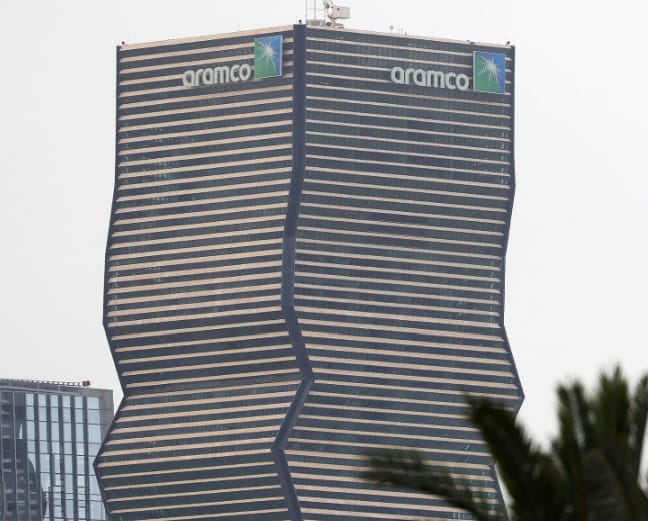
A Saudi Aramco administrative building in Riyadh sustained damage on November 8, 2026, following an attempted attack that heightened security concerns across the Middle East. The incident occurred in the capital's King Abdullah Financial District (KAFD), an important commercial and financial area that houses major businesses and corporate offices.
Saudi Arabia's Ministry of Energy confirmed that an administrative building belonging to the state-owned oil company had been affected. According to the ministry, falling debris caused limited structural damage, while no injuries or fatalities were reported.
Witnesses described broken windows across several floors of the Aramco Tower. The incident followed reports of explosions in Riyadh after Saudi air defence systems responded to incoming threats.
The Saudi-led coalition said its air defences intercepted missiles launched towards the kingdom by Yemen's Houthi movement. The Houthis subsequently claimed responsibility for the attack, according to international media reports.
Saudi Air Defences Respond to Missile Threats
Saudi authorities reported that multiple aerial threats had been directed towards different parts of the kingdom. The coalition said missiles targeting Riyadh and other regions were intercepted before reaching their intended destinations.
Civil defence authorities also issued early-warning alerts in Riyadh and other areas, advising residents to remain attentive to official instructions. The warnings were later lifted after authorities indicated that the immediate danger had passed.
The damage to the Aramco building has drawn attention because of its location and the company's importance to Saudi Arabia's economy. Aramco is one of the world's largest energy companies, with operations that play a significant role in international oil production and energy markets.
Although the reported damage was limited, the incident has highlighted the security challenges facing major commercial centres and energy-related infrastructure during the continuing regional conflict.
Houthis Intensify Pressure on Saudi Arabia
The latest incident comes amid an increase in hostilities involving Yemen's Houthi movement and Saudi Arabia. The group has repeatedly threatened or targeted Saudi interests, including energy facilities, transportation infrastructure and military-related locations.
Saudi Arabia has previously experienced attacks involving missiles and drones directed towards strategically important sites. The latest developments indicate that the conflict in Yemen continues to have consequences beyond the country's borders.
The Houthis, also known as Ansar Allah, control significant territory in Yemen and have been involved in a prolonged conflict with Yemeni government forces and their regional partners.
Saudi Arabia has supported forces opposing the Houthis, making the relationship between Riyadh and the movement a major element of Yemen's wider conflict.
The escalation also presents challenges for regional security arrangements. Any further attacks on infrastructure could increase concerns among businesses, energy companies and international investors operating across the Gulf.
US-Iran Dispute Adds to Regional Uncertainty
The attack in Riyadh occurred against the background of continuing tensions between Washington and Tehran. The United States and Iran remain divided over military activity, economic sanctions, maritime security and Iran's nuclear programme.
US President Donald Trump said on November 8 that further American strikes against Iran were highly unlikely if negotiations continued to make progress. However, he also warned that Washington had identified potential infrastructure targets should military operations resume.
The statements reflect the difficult balance between diplomatic engagement and military pressure. Washington has maintained pressure on Tehran through restrictions on Iranian ports and efforts to limit the movement of weapons and sanctioned materials.
Iran, meanwhile, has called for changes to American policy, including sanctions relief, the removal of the naval blockade and access to frozen financial assets.
Iranian officials have also warned that additional American military action could trigger a response against US and allied interests. These positions underline the significant differences that remain between the two governments.
Diplomatic Efforts Continue Despite Disagreements
Regional countries have continued diplomatic efforts aimed at preventing another major escalation. Qatar has played an important mediating role in indirect communications between Washington and Tehran.
Pakistan, Saudi Arabia, Egypt and Turkey have also been involved in regional discussions intended to support diplomatic progress.
The negotiations involve several difficult issues, including maritime access through the Strait of Hormuz, economic restrictions, military security and Iran's nuclear activities.
The Strait of Hormuz is particularly important because it connects the Persian Gulf with international shipping routes. Disruptions in this waterway can affect energy transportation, shipping costs and international oil markets.
President Trump's latest comments indicate that Washington remains open to an agreement if negotiations produce acceptable results. However, US Secretary of State Marco Rubio has indicated that the discussions have not yet reached a breakthrough.
Iran has also maintained that its conditions must be addressed before a broader settlement can be achieved.
Potential Economic and Energy Market Implications
The latest attack has renewed attention on the vulnerability of energy infrastructure in the Gulf region. Saudi Arabia is a major global oil producer, and any sustained disruption to its energy operations could have consequences for international markets.
Aramco's facilities are particularly significant because the company manages major production, processing and distribution operations. Attacks affecting its infrastructure can create concerns about supply reliability, even when reported damage is limited.
The wider confrontation involving Iran has also affected shipping activity around the Strait of Hormuz. Continued uncertainty in the area could increase insurance costs, complicate maritime operations and place additional pressure on international energy supply chains.
For energy-importing countries, prolonged instability could contribute to higher transportation expenses and fluctuations in fuel prices. However, the direct economic impact of the Riyadh incident remains uncertain because authorities reported limited damage and no casualties.
International Security Concerns Grow
Governments across the region are monitoring developments as military activity and diplomatic discussions continue simultaneously. Saudi Arabia faces the immediate responsibility of protecting its population, commercial centres and strategic infrastructure.
The United States and other international partners are also concerned about the potential consequences of further attacks on regional shipping routes and energy facilities.
Meanwhile, the Houthis' continued military activity creates additional complications for efforts to stabilise Yemen and reduce tensions across the Arabian Peninsula.
International observers are watching whether the latest incident leads to additional military responses or encourages renewed diplomatic engagement.
What Happens Next?
The coming days will be important for determining whether regional tensions increase or diplomatic efforts gain momentum. Saudi authorities are expected to continue assessing security risks, while the international community monitors developments involving the Houthis, Iran and the United States.
The reported damage to the Aramco Tower demonstrates how conflicts involving several regional and international actors can affect major commercial centres far beyond their immediate battlefields.
For now, the Saudi government has reported no casualties from the Riyadh incident, while Washington and Tehran continue to face substantial disagreements over the conditions required for a lasting settlement.
Whether negotiations can prevent further confrontation remains uncertain. Developments surrounding Saudi security, Yemen's conflict and maritime access through the Gulf will remain important factors shaping the wider Middle Eastern situation.

Written by
Haris Times StaffComments (0)
No comments yet. Be the first!