
Trump Appoints Stephen Miller as White House Chief of Staff Following Republican Midterm Election Defeat
The appointment signals a major White House leadership change as Trump prepares for congressional investigations, political disagreements, and challenges to his domestic agenda.
By HarisTimes
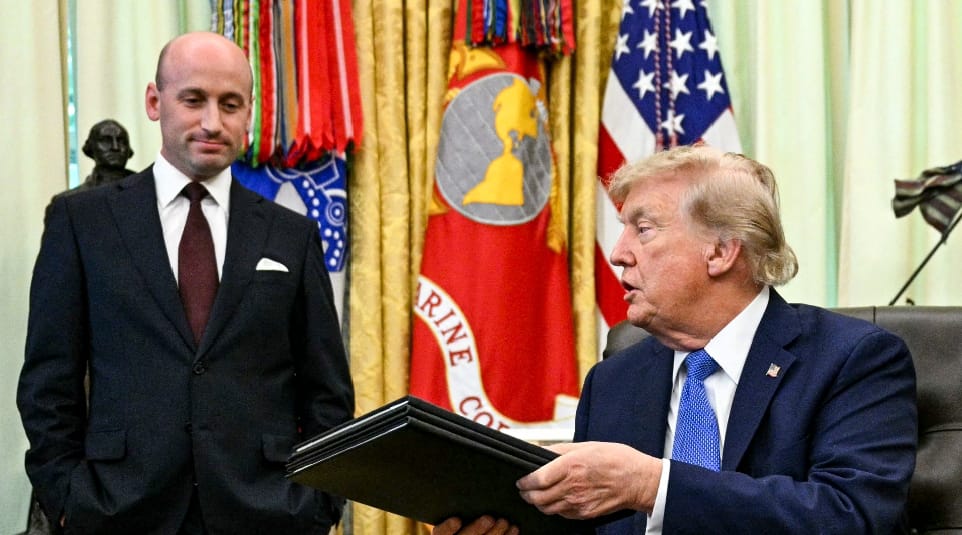
Stephen Miller Named White House Chief of Staff as Trump Reshuffles Administration After Midterm Defeat
Introduction
President Donald Trump has announced a major leadership change at the White House, appointing longtime political adviser Stephen Miller as his new chief of staff. Miller will replace Susie Wiles, who has been one of the president's closest political allies and served as the first woman to hold the position.
The announcement, made on November 6, 2026, comes days after the Republican Party suffered significant losses in the US midterm elections, resulting in Democrats gaining control of both chambers of Congress. The administration now faces a more challenging political environment, with congressional investigations, disagreements over domestic policies, and growing pressure surrounding its immigration and economic agenda.
Miller's appointment places a prominent architect of Trump's domestic policies in one of the most influential positions within the executive branch. The decision has attracted attention from lawmakers, political analysts, administration officials, and international observers.
1. Trump Selects Stephen Miller for the Top White House Staff Position
Trump announced Miller's appointment through his social media platform, describing him as one of his most trusted advisers. The president also praised Susie Wiles for her contribution to his administration, describing her work as outstanding.
Miller, 41, has been closely associated with Trump since the 2016 presidential campaign. During Trump's first administration, he served as a senior policy adviser and played an important role in developing immigration restrictions and other domestic policy initiatives.
Following Trump's return to the White House in 2025, Miller served as deputy chief of staff for policy under Wiles. Despite holding a deputy position, he maintained considerable influence over immigration enforcement, federal government operations, and the administration's broader domestic agenda.
According to Reuters, the leadership change is scheduled to take effect on Monday, November 9, 2026. The appointment gives Miller greater responsibility for coordinating White House operations and managing the president's policy priorities.
2. Susie Wiles Departs After Leading Trump's White House Operation
Susie Wiles's departure represents a significant change within Trump's senior leadership team. A veteran political strategist, Wiles played a central role in organizing Trump's political campaigns and managing his return to the White House.
She became the first woman to serve as White House chief of staff and was widely associated with maintaining organizational discipline within the administration.
According to reporting by Reuters, Wiles submitted her resignation on Thursday evening, November 5. A White House official indicated that she would continue working with Trump's political operation rather than leaving his political circle entirely.
Her departure followed growing questions about the administration's political performance ahead of the midterm elections. However, Trump described the change as a leadership decision and praised Wiles's contribution.
The transition also highlights the different responsibilities and approaches associated with the two advisers. Wiles was primarily known for political organization and White House management, while Miller has focused heavily on policy development and implementing Trump's domestic agenda.
3. Republican Midterm Defeat Creates a Difficult Political Environment
The leadership reshuffle comes after Republicans lost control of Congress in the November 2026 midterm elections.
The Democratic Party's gains mean the Trump administration will have to operate with a Democratic-controlled House of Representatives and Senate. This change could significantly affect the president's ability to advance legislation and secure congressional support for his priorities.
A divided political environment can create obstacles for presidential administrations, particularly when major legislative proposals require approval from both chambers of Congress.
Democratic lawmakers are also expected to increase scrutiny of administration decisions, including immigration enforcement, federal spending, executive authority, and foreign policy.
The change in congressional control could therefore make negotiations more difficult and increase the importance of executive actions in shaping the administration's remaining domestic agenda.
Trump has previously indicated a willingness to work with Democrats. However, the appointment of Miller has raised questions about whether the administration will pursue compromise or adopt a more confrontational political strategy.
4. Stephen Miller's Influence on Immigration Policy
Stephen Miller is particularly well known for his role in shaping Trump's restrictive immigration policies.
During the administration's second term, he became one of the leading figures behind expanded immigration enforcement operations. These measures included increased arrests, deportation initiatives, border security policies, and efforts to strengthen federal immigration authorities.
Reuters reported that Miller supported a target of approximately 3,000 immigration arrests per day as part of the administration's enforcement campaign.
The policy has generated considerable debate across the United States. Supporters argue that stronger enforcement is necessary to maintain border security and implement immigration laws. Critics, meanwhile, have raised concerns about enforcement methods, the treatment of migrants, and the detention of individuals without serious criminal records.
Miller's promotion suggests that immigration policy is likely to remain an important priority for the White House.
His new position could also give him greater influence over discussions involving federal agencies, congressional negotiations, and the implementation of presidential directives.
5. Democratic Lawmakers React to Miller's Appointment
The appointment has received strong criticism from several Democratic lawmakers.
Hakeem Jeffries, the Democratic leader in the House of Representatives, criticized Miller's record and questioned the president's decision to promote him following the Republican election losses.
Other Democratic politicians, including Senate Democratic leaders, also expressed concerns about Miller's influence over immigration policy and the administration's broader direction.
Democratic lawmakers have indicated that they intend to examine several administration policies, particularly immigration enforcement and the use of executive authority.
Republican supporters, however, welcomed the appointment. Several Republican lawmakers and administration officials described Miller as a loyal adviser with extensive experience in implementing Trump's priorities.
The differing reactions demonstrate the political divisions surrounding the appointment and the broader debate over the administration's policy direction.
6. Expected Congressional Investigations and Political Clashes
One of the biggest challenges facing the new chief of staff will be managing the relationship between the White House and a Democratic-controlled Congress.
Congressional committees have significant oversight responsibilities, including investigating federal agencies, reviewing government spending, requesting documents, and questioning administration officials.
Democratic lawmakers have already identified areas they intend to examine, including immigration enforcement and the administration's use of executive power.
Miller could become an important figure in responding to these investigations because of his involvement in developing and coordinating several major administration policies.
His experience with Trump's political and policy operations may help the White House coordinate its response. However, disagreements over access to information, executive authority, and congressional oversight could create further tensions.
The administration may also face difficulties passing legislation without sufficient bipartisan support.
As a result, the chief of staff's responsibilities will extend beyond managing White House personnel and scheduling presidential activities. The position will involve coordinating political strategy, communicating with congressional leaders, and managing the administration's response to increased oversight.
7. What the Appointment Could Mean for Trump's Remaining Presidency
Miller's appointment could influence several important areas of Trump's presidency, including immigration, federal administration, domestic security, and relations with Congress.
His close relationship with the president means he is likely to remain an influential participant in major policy discussions.
The appointment may also indicate that Trump intends to maintain his existing policy direction rather than undertake a major leadership shift following the Republican election losses.
However, the new congressional balance of power creates practical limitations. Legislative proposals may encounter stronger opposition, while congressional investigations could occupy a significant portion of the administration's attention.
The coming months will therefore test the White House's ability to balance executive priorities with congressional oversight and political negotiations.
Conclusion
Stephen Miller's appointment as White House chief of staff marks an important leadership change in the Trump administration. Replacing Susie Wiles, Miller takes responsibility for coordinating White House operations at a time of significant political challenges following the Republican Party's midterm election defeat.
His experience in immigration policy and domestic administration makes him a central figure in Trump's political strategy. However, the Democratic-controlled Congress is expected to increase scrutiny of the administration and create new obstacles for its legislative priorities.
Whether Miller's leadership will improve coordination within the White House or contribute to greater political confrontation remains to be seen. What is clear is that his appointment comes at a critical moment for Trump's administration, as it prepares to navigate a more challenging relationship with Congress during the remaining years of the president's term.

Written by
Haris Times StaffComments (0)
No comments yet. Be the first!