
Pakistan Army Conducts Successful Launch of Fatah-3 Supersonic Cruise Missile
The November 18 launch was witnessed by senior military officials, scientists and engineers, while the government and military leadership congratulated the team involved.
By HarisTimes

Pakistan Army Conducts Successful Fatah-3 Missile Launch
The Pakistan Army announced the successful launch of its Fatah-3 supersonic cruise missile on November 18, 2026, describing the development as part of the country's ongoing efforts to advance its defence capabilities. The announcement was made through the military's media wing, Inter-Services Public Relations (ISPR).
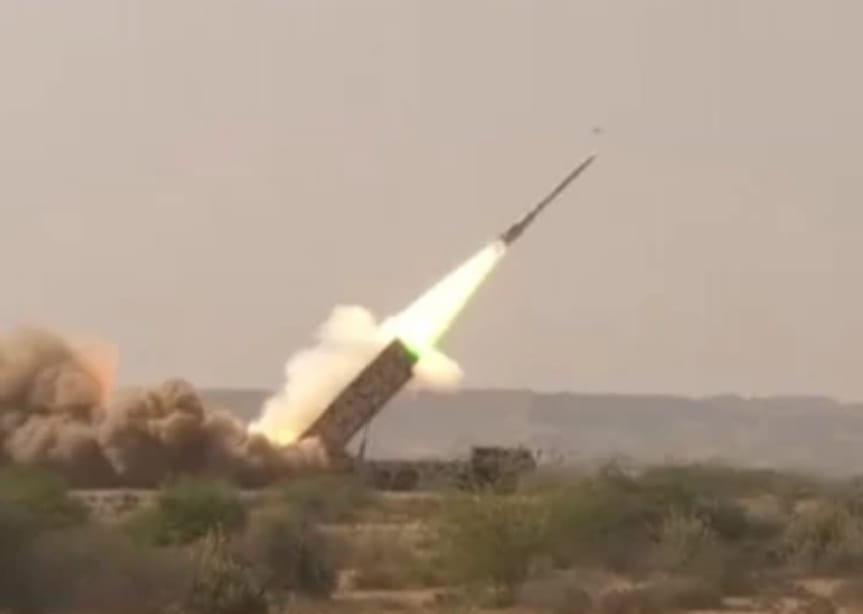
According to the official statement, the launch demonstrated the missile system's capabilities and represented another development in Pakistan's conventional defence programme. The exercise was witnessed by the Commander of the Army Rocket Force Command, senior officers of the Pakistan Armed Forces, and scientists and engineers associated with the programme.
Advanced Navigation and Propulsion Systems
ISPR stated that the Fatah-3 missile is equipped with advanced navigation and propulsion systems. According to the military, the system is capable of engaging targets at long distances with high precision while travelling at supersonic speed.
The announcement highlighted the missile's reported technical features, although detailed specifications, including its exact operational range, maximum speed and guidance technology, were not included in the publicly released information.
These technical details would provide a clearer understanding of the system's capabilities and its intended operational role.
Role of the Army Rocket Force Command
The military stated that the introduction of Fatah-3 would enhance the operational flexibility and strike reach of the Pakistan Army's Rocket Force Command.
The Rocket Force Command is associated with the Army's missile capabilities and forms part of Pakistan's broader conventional defence framework. According to ISPR, the latest development is intended to strengthen the country's conventional deterrence and expand its available defence options.
However, the full operational role of the Fatah-3 system and its integration into existing military capabilities have not been publicly detailed.
Senior Military Officials and Scientists Witness Launch
The launch was attended by the Commander of the Army Rocket Force Command, senior military officers, and scientists and engineers involved in the programme.
Their presence highlighted the involvement of both military personnel and technical specialists in the development and testing process. The official statement also acknowledged the contribution of those involved in the missile programme.
The participation of scientists and engineers reflects the technical work associated with developing and testing advanced defence systems.
Civilian and Military Leadership Congratulates the Team
Following the successful launch, President Asif Ali Zardari, Prime Minister Shehbaz Sharif, Chief of Army Staff and Chief of Defence Forces Field Marshal Syed Asim Munir, and the services chiefs congratulated the personnel involved.
According to the official announcement, the leadership acknowledged the efforts and contributions of the military personnel, scientists and engineers associated with the launch.
The statements reflected the government's and military leadership's recognition of the development as part of Pakistan's continuing defence technology programme.

Conclusion
Pakistan's successful Fatah-3 missile launch marks another publicly announced development in its conventional defence programme. The military has highlighted the system's navigation, propulsion and reported long-range engagement capabilities, along with its intended role in strengthening the Army Rocket Force Command. While detailed technical specifications and operational information remain undisclosed, the launch demonstrates continued activity in Pakistan's missile development efforts.

Written by
Haris Times StaffComments (0)
No comments yet. Be the first!